For new collectors, it’s easy to assume that beauty alone determines a mineral’s worth. Lustre, colour, and crystal form certainly draw the eye, but experienced collectors know that three other factors – condition, provenance, and locality – truly define a specimen’s value.
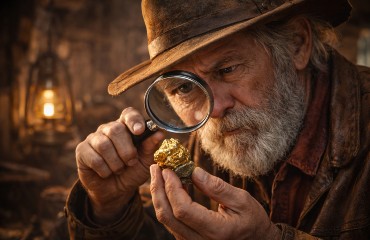
Condition comes first. Aesthetic appeal is lost if the specimen is chipped, cleaved, or poorly repaired. Undamaged, well-terminated crystals are always preferred, and even a common mineral in pristine condition can outprice a rarer species with visible flaws. Serious collectors learn to inspect every edge and termination under magnification before purchasing.
Next is provenance, the documented history of a specimen. A simple old label can transform a mineral from a nice example into a collectible artefact. Provenance links the specimen to its previous owners, sometimes well-known dealers or historic collections, and adds authenticity that cannot be replaced. A piece labelled “Ex. Fred Bloggs Collection” carries far more significance than an unlabelled equivalent.
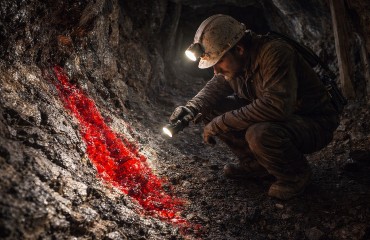
Finally, locality – where the specimen was found – often determines its rarity and desirability. Minerals from famous or long-closed mines such as Tsumeb, Bisbee, or Wheal Gorland are sought after because no new material can emerge. Even a modest crystal from a classic locality may hold greater value than a large, perfect example from a common modern source.
In the end, the finest mineral collections balance beauty with integrity. A specimen in superb condition, with traceable provenance and a notable locality, is more than just a crystal - it’s a piece of mineralogical and social history.