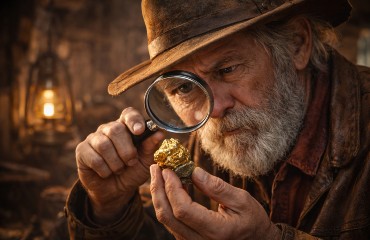
For many collectors, mineral dealers appear to have an endless supply of beautiful specimens. Behind every piece, however, lies a complex network of sources and relationships that allow dealers to locate, acquire, and curate minerals from around the world. Finding specimens is often the most time-consuming part of the business, requiring travel, contacts, and a good understanding of the mineral market.
Buying Directly from Miners
One of the most important sources of specimens is the miners themselves. Around the world - from Brazil and Mexico to Pakistan and Morocco - miners frequently recover crystallized minerals while extracting ore or working small deposits. Dealers often build long-term relationships with these miners and purchase specimens directly at the source. In the past, miners sometimes sold specimens cheaply without knowing their value, but today the internet allows miners to see global market prices, meaning negotiations are often more informed and competitive.
Visiting Mines and Mineral Localities
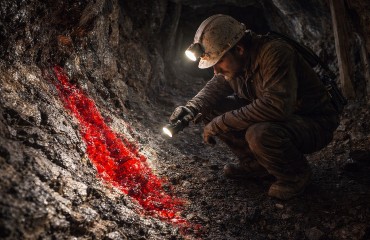
Many dealers travel regularly to mining districts and mineral localities. Visiting active mines, abandoned workings, or mineral-rich regions allows them to obtain specimens before they reach the wider market. These trips may involve negotiating with mine owners, working alongside local collectors, or simply being present when a new “pocket” of crystals is discovered. Being on site when a significant find occurs can be the difference between acquiring exceptional pieces or missing the opportunity entirely.
Collecting in the Field
Some dealers collect minerals themselves. This can involve digging in old mine dumps, exploring quarries, or participating in organised field trips. Many mineral clubs and collecting groups host trips to classic localities, sometimes even with heavy equipment to reach deeper material. Field collecting is rarely predictable, but occasionally it yields superb specimens that become highlights of a dealer’s inventory.
Purchasing Old Collections
Another major source of specimens is the acquisition of private mineral collections. When collectors retire, downsize, or pass away, their collections are often sold. Dealers frequently purchase these collections outright, sometimes containing thousands of specimens. In many cases, the minerals may have been collected decades earlier and can include classic pieces from now-closed localities. Dealers who regularly buy collections can accumulate significant quantities of material this way, sometimes acquiring dozens of collections over their careers.
Trading and Buying from Other Dealers
The mineral trade is highly interconnected. Dealers regularly buy, sell, and trade specimens among themselves. A specimen might pass through several dealers before reaching its final collector. This system allows dealers to specialize in particular regions or types of minerals while still offering a wide variety of specimens.
Mineral Shows and Global Markets
Large mineral shows - such as those held annually in Tucson or Munich - act as major hubs for the mineral trade. Dealers from across the world gather to buy new material, discover recent finds, and build contacts. Many specimens seen in collections and online stores first enter the market through these large international events.
A Global Network
Ultimately, successful mineral dealers rely on a combination of travel, relationships, knowledge, and persistence. Specimens may come from a remote mine, an old collection, a field trip, or another dealer’s inventory. The best dealers constantly search for new sources and opportunities, ensuring collectors continue to have access to the remarkable diversity of minerals produced by the Earth.