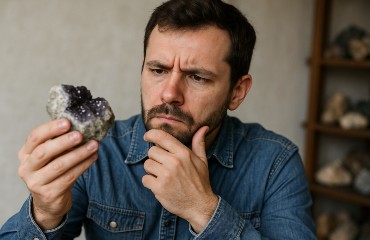
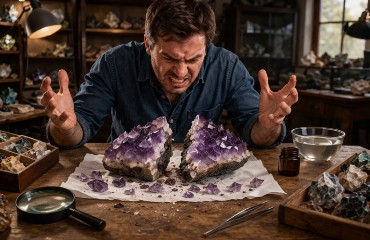
Mineral collecting is a fascinating hobby that combines science, exploration, and the simple pleasure of owning beautiful natural objects. But how to start a mineral collection?
For many collectors it begins with a single beach pebble or an attractive crystal, but over time it can develop into a lifelong interest in geology, mining history, and the natural processes that form minerals deep within the Earth. Whether you are drawn to colourful crystals, rare minerals, or specimens from historic mines, starting a mineral collection is both rewarding and educational.
The first step is to learn the basics about minerals. Minerals are naturally occurring substances with a defined chemical composition and crystal structure. Understanding these fundamentals helps collectors recognise different species and appreciate what makes each specimen unique. Beginners should familiarise themselves with common minerals such as quartz, calcite, fluorite, pyrite, and galena, as these are widely available and display many classic crystal forms. Books, museum collections, mineral clubs, and reliable online resources are excellent places to begin learning.
Once you have a basic understanding of minerals, you can begin acquiring specimens. Many collectors start by purchasing affordable specimens from reputable mineral dealers, mineral shows, or trusted online sellers. Buying from knowledgeable dealers helps ensure that specimens are correctly identified and properly labelled. Accurate identification is important not only for learning but also for maintaining the long-term value and scientific usefulness of a specimen.
Labels are an essential part of mineral collecting. A proper label should include the mineral name and the locality where the specimen was found. More detailed labels may also record the geological formation, along with the country or region. Some collectors also note the date of acquisition and the source of the specimen. Without this information a mineral specimen loses much of its scientific and collector value, so keeping labels with specimens at all times is extremely important.
Field collecting is another exciting way to build a collection. Many collectors enjoy visiting old mines, quarries, and natural outcrops where minerals can be found. Field collecting allows you to discover specimens yourself and gain a deeper understanding of the geological environments where minerals form. However, it is important to research collecting locations carefully, obtain permission where necessary, and follow all safety and legal guidelines. Appropriate tools such as a geological hammer, safety glasses, and gloves are also recommended.
As your collection grows, it is wise to focus on quality rather than quantity. A smaller collection of well-formed and well-documented specimens is usually more satisfying than a large assortment of poorly labelled or damaged pieces. Collectors often look for specimens with attractive crystal forms, interesting colour, minimal damage, and good aesthetic balance. Locality can also add importance, especially if the specimen comes from a famous or historic mine.
Proper storage and display help protect your collection and allow it to be enjoyed for many years. Many collectors use small display boxes, cabinets, or specimen trays that keep minerals safe from dust, moisture, and accidental damage. Keeping labels stored with each specimen ensures that the important locality information remains permanently associated with the mineral.
Mineral collecting can also become a gateway to a wider world of geology, mining history, and scientific discovery. Visiting mineral shows, joining local mineral clubs, reading specialist publications, and exchanging specimens with other collectors can all deepen your knowledge and enjoyment of the hobby.
Ultimately, the most important aspect of mineral collecting is curiosity and appreciation for the natural world. Each specimen represents a small piece of Earth's geological history, formed over thousands or even millions of years. By building a thoughtful and well-documented collection, you are preserving that natural history while enjoying one of the most engaging hobbies in the world.