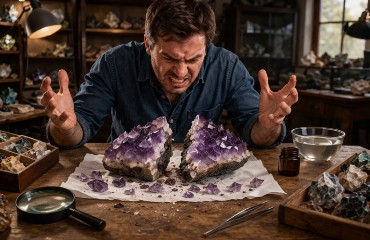
Collecting mineral specimens is a rewarding pursuit that combines science, aesthetics, and the thrill of discovery. However, whether you are just starting out or have been collecting for years, it’s surprisingly easy to make mistakes that can limit the quality and long-term value of your collection. Understanding these pitfalls can help you build a more meaningful, attractive, and valuable collection over time.
Buying Impulsively Without Research
One of the most frequent mistakes collectors make is purchasing specimens on impulse. A mineral may look striking at first glance, but without understanding what it is, where it comes from, or how it compares to similar pieces, you risk overpaying or acquiring something of limited significance. Taking time to research locality, rarity, and typical market value ensures that each purchase is informed rather than emotional.
Focusing Only on Size Over Quality
Large specimens can be impressive, but size alone does not determine desirability. Many beginners prioritise bigger pieces, overlooking factors such as crystal form, colour, lustre, and damage. A smaller, well-crystallised specimen with sharp, undamaged crystals will almost always be more valuable and aesthetically pleasing than a larger but inferior piece.
Ignoring Damage and Repairs
Damage is one of the most important factors affecting a specimen’s value. Chips, cracks, or repaired sections can significantly reduce desirability, especially for serious collectors. Beginners sometimes overlook these flaws, particularly if they are not immediately obvious. Learning how to carefully inspect a specimen—checking edges, terminations, and matrix stability—is essential to avoid disappointment later.
Neglecting Locality Information
A mineral without a known origin is often far less interesting and valuable. Locality adds scientific, historical, and collector significance. For example, specimens from classic or now-closed localities are often highly sought after. Failing to record or retain this information can permanently reduce the importance of a piece in your collection.
Poor Storage and Display Practices
Improper storage can damage even the finest specimens. Exposure to moisture, sunlight, dust, or fluctuating temperatures can lead to deterioration. Some minerals are particularly sensitive—halite can dissolve, pyrite can degrade, and fluorite may fade in strong light. Using stable shelving, protective boxes, and controlled environments helps preserve your collection for the long term.
Overlooking Cleaning and Preparation
Another common mistake is either over-cleaning or under-cleaning specimens. Aggressive cleaning methods can damage delicate crystals, remove natural coatings, or reduce a specimen’s appeal. On the other hand, leaving specimens dirty can obscure their true quality. Understanding appropriate cleaning techniques for different mineral types is crucial.
Chasing Trends Instead of Personal Interest
The mineral market, like any other, has trends. Certain localities or mineral types can become highly fashionable, driving prices up. While it can be tempting to follow these trends, doing so without genuine interest can lead to a collection that feels disjointed or lacks personal meaning. Collecting what genuinely fascinates you leads to a more satisfying and cohesive collection.
Failing to Set a Focus
A collection without direction can quickly become cluttered and unfocused. Many beginners buy a wide variety of specimens without a clear theme, making it difficult to build depth or expertise. Whether you focus on a specific mineral group, locality, or aesthetic style, having a defined direction helps guide smarter purchasing decisions.
Not Learning from Experienced Collectors and Dealers
Finally, trying to learn everything independently can slow your progress. Experienced collectors and reputable dealers are invaluable sources of knowledge. They can help you understand market trends, identify quality, and avoid costly mistakes. Engaging with the collecting community—whether online or in person—can accelerate your learning significantly.
By avoiding these common mistakes, you can build a collection that is not only visually impressive but also scientifically meaningful and financially sound. Mineral collecting is a journey, and with careful thought and informed decisions, it becomes all the more rewarding.