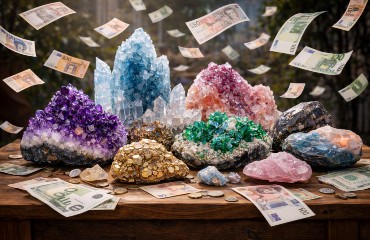
Mineral specimen pricing can seem mysterious to new collectors. Two specimens of the same mineral may appear similar at first glance, yet one may cost ten times more than the other. In reality, dealers usually evaluate a range of factors when determining the value of a specimen, including rarity, quality, aesthetics, locality, and market demand.
Understanding these factors helps collectors appreciate why certain specimens command high prices while others remain affordable.
Rarity: The Fundamental Driver of Value
The most important factor in mineral pricing is rarity. A specimen becomes more valuable when it is difficult to obtain in that particular form. Rarity can arise in many different ways. A mineral species may be uncommon, but rarity can also come from exceptional crystal size, unusual color, uncommon crystal forms, or extraordinary clarity.
Even common minerals may become valuable when they occur as exceptional specimens. In this sense, rarity applies not just to the mineral species itself but to the quality and characteristics of the individual specimen.
Aesthetics and Specimen Quality
Collectors place great emphasis on visual appeal. Specimens with sharp, well-formed crystals, attractive color, good luster, and pleasing composition generally command higher prices.
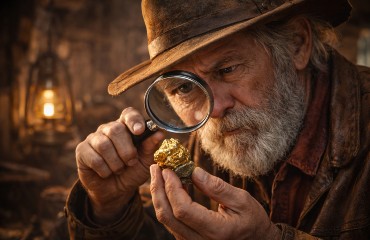
Condition is equally important. Chips, broken crystals, or obvious damage can significantly reduce a specimen’s value unless the mineral itself is extremely rare. Dealers therefore carefully examine specimens and select those that meet the standards collectors expect for display-quality pieces.
The Importance of Locality
Where a mineral comes from can also influence its price. Some mines and regions are famous for producing exceptional specimens, and collectors often seek examples from these classic localities.
In addition, when a mine closes or production ends, no new specimens enter the market. Over time, this limited supply can increase the value of existing specimens, particularly those from historically important or well-known deposits.
Market Demand and Collector Trends
The mineral market is shaped by collector demand. Certain minerals or localities periodically become highly sought after, pushing prices upward. Specimens that combine rarity, aesthetic appeal, and a famous locality can attract intense interest among collectors.
Demand also changes over time as new discoveries are made or classic localities become exhausted.
Global Information and Modern Pricing
The internet has transformed mineral pricing. In the past, miners and local dealers often sold specimens without knowing their true value in the international collector market.
Today, collectors and suppliers around the world can easily see retail prices online. This transparency has increased prices at the source and narrowed the gap between wholesale and retail markets.
Provenance and Documentation
Finally, the history of a specimen can influence its value. Specimens accompanied by original labels or known collection histories are often more desirable because they document where the mineral came from and how it entered the collecting community.
For serious collectors, these details add both scientific and historical significance to a specimen.
Conclusion
Mineral dealers determine specimen prices by balancing multiple factors, including rarity, aesthetics, condition, locality, provenance, and collector demand. Because every specimen is unique, pricing is rarely straightforward. Exceptional pieces that combine several desirable characteristics often command the highest prices in the mineral collecting market.