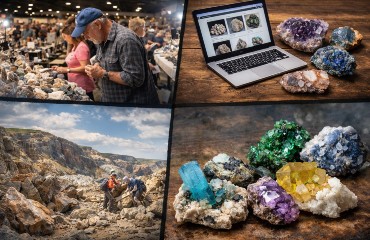
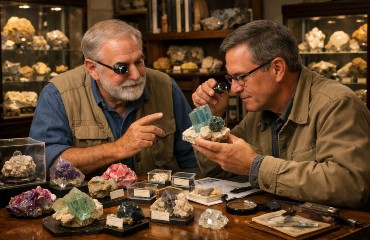
Buying mineral specimens online has opened up a world of opportunity for collectors, allowing access to pieces from across the globe that would otherwise be difficult to obtain. However, without the ability to physically inspect a specimen, it becomes essential to evaluate listings carefully. Knowing what to look for can make the difference between acquiring a truly exceptional piece and ending up with something disappointing.
1. Quality of Photography
High-quality images are one of the most important indicators of a trustworthy listing. A reputable seller will provide multiple clear photographs taken from different angles, ideally under neutral lighting. Look for images that accurately represent colour, lustre, and transparency without heavy editing or filters. Zoom in to assess crystal sharpness, surface condition, and any visible damage. Poor or limited photography can often hide flaws or misrepresent the specimen.
2. Accurate and Detailed Descriptions
A well-written description should include key details such as mineral species, locality, dimensions, and weight. Beyond basic information, good sellers will also note features like crystal habit, associations with other minerals, and any repairs or damage. Transparency is crucial—if a listing lacks detail or seems vague, it may be worth approaching with caution.
3. Provenance and Locality Information
The origin of a mineral specimen plays a significant role in its desirability and value. Specimens from classic or historically important localities often carry added appeal. Reliable sellers will provide precise locality information, sometimes down to the mine or specific region. Provenance – such as previous ownership or collection history – can also enhance value, particularly for high-end specimens.
4. Condition and Repairs
Condition is one of the most critical factors when buying mineral specimens. Carefully examine images and descriptions for signs of damage such as chipped crystals, fractures, or cleaving. Some specimens may have been repaired or stabilised, which is not uncommon, but such work should always be clearly disclosed. Understanding the condition helps you judge whether the price is justified.
5. Size and Scale Accuracy
Dimensions can sometimes be misleading without proper context. Check whether the listing includes a scale reference or detailed measurements. A specimen that looks large in a photograph may be quite small in reality. Knowing the exact size ensures that expectations match what you receive.
6. Seller Reputation and Reviews
The credibility of the seller is just as important as the specimen itself. Look for established dealers with positive reviews and a consistent track record. Feedback from previous buyers can provide valuable insight into reliability, accuracy of descriptions, and customer service. Trusted sellers are more likely to stand behind their products and offer fair policies.
7. Pricing and Value Assessment
Prices for mineral specimens can vary widely depending on quality, rarity, and locality. Compare similar specimens across different sellers to get a sense of market value. Be cautious of prices that seem unusually low, as they may indicate lower quality or undisclosed issues. On the other hand, exceptional features or provenance may justify high prices.
8. Return Policy and Guarantees
A clear return policy provides reassurance when buying online. Reputable sellers typically offer a return window if the specimen does not meet expectations. This is particularly important when you cannot physically inspect the piece beforehand. Guarantees of authenticity and accurate representation are also strong indicators of professionalism.
9. Authenticity and Treatments
Some minerals may be treated, enhanced, or even artificially altered. While treatments are not always problematic, they should be disclosed. Be cautious of unusually vivid colours or perfect-looking specimens that may have been dyed, irradiated, or otherwise modified. Authentic, natural specimens are generally more desirable to collectors.
10. Packaging and Shipping Standards
Proper packaging is essential to ensure that fragile specimens arrive safely. Look for sellers who mention secure packing methods and offer insured shipping. Even the sturdiest specimen can suffer damage during transit, so don't overlook this aspect.
Final Thoughts
Buying mineral specimens online can be highly rewarding, offering access to a vast global marketplace. By focusing on key features such as image quality, accurate descriptions, provenance, condition, and seller reputation, collectors can make informed decisions and build a collection with confidence. Taking the time to evaluate each listing carefully will help avoid costly mistakes and ensure that each addition to your collection meets your expectations in both quality and value.