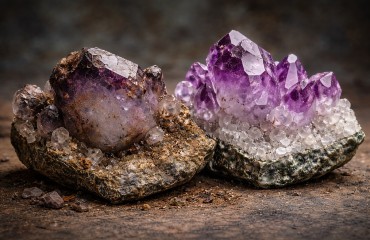
For mineral collectors, condition is one of the most important factors determining both aesthetic appeal and value. A fine specimen is not defined solely by rarity or size, but by how well it has survived extraction, handling, and time. Understanding condition, recognising damage, and identifying repairs are essential skills for any collector, whether beginner or advanced.
What Does “Condition” Mean?
In mineral collecting, condition refers to the physical state of a specimen, including crystal integrity, surface quality, and overall completeness. Ideally, a specimen will be described as “undamaged” or “in excellent condition,” meaning the crystals are intact, free from chips, and display natural, unaltered surfaces.
However, perfection is rare. Most specimens have some degree of imperfection, particularly those extracted from hard rock or tight cavities. Minor edge wear or small contact points - areas where crystals grew against surrounding rock - are generally acceptable and often unavoidable. These are usually distinguished from true damage because they formed naturally rather than through later impact.
Types of Damage
Damage can take many forms, and learning to recognise each type is key:
Chipping: Small breaks on crystal edges or points, often caused during extraction or handling. These are among the most common issues.
Cleavage breaks: Some minerals, such as fluorite or calcite, have perfect cleavage planes. Breaks along these planes can appear smooth and may be mistaken for natural surfaces.
Bruising: Internal fractures within a crystal, often visible as cloudy or whitish areas. These typically result from impact.
Abrasion: Surface wear that dulls crystal faces, reducing their natural lustre.
Repaired breaks: Clean fractures that have been glued back together.
The impact of damage on value depends on severity, location, and the mineral species. A small chip on the reverse of a specimen may be insignificant, while a damaged termination on a prominent crystal can greatly reduce desirability.
Natural vs Artificial Imperfections
One of the subtleties in mineral collecting is distinguishing between natural growth features and damage. Contact points, for example, occur where crystals grew against the pocket wall and are not considered damage. Similarly, irregular or incomplete crystal growth may reflect natural conditions rather than post-extraction harm.
By contrast, sharp, fresh-looking breaks or areas lacking surface patina often indicate recent damage. Experience and careful observation under good lighting - helps develop this distinction.
Repairs and Restoration
Repairs are common in the mineral market, particularly for fragile or high-value specimens. The most typical form is gluing, where broken pieces are reattached using adhesives. In some cases, multiple fragments may be assembled to reconstruct a specimen.
More advanced restoration can include filling gaps, polishing damaged areas, or even adding artificial material to improve appearance. While such practices exist, they are generally frowned upon unless clearly disclosed.
The key issue with repairs is transparency. Ethical dealers will always disclose any restoration or repair, allowing buyers to make informed decisions. Undisclosed repairs, however, can significantly undermine trust and value.
How to Spot Repairs
Detecting repairs can be challenging, but several clues may help:
- Glue lines: Fine, often shiny lines along fractures.
- Unnatural joins: Misaligned crystal faces or slight gaps.
- Differences in lustre: Repaired areas may appear duller or overly glossy.
- Residue: Excess adhesive visible under magnification.
- Using a loupe or magnifying glass is highly recommended when examining specimens closely.
Balancing Condition and Rarity
While condition is important, it should always be considered alongside rarity and quality. Some minerals are almost never found undamaged, particularly those from difficult or historic localities. In such cases, collectors may accept minor flaws if the specimen is otherwise exceptional.
Ultimately, the goal is to understand what you are buying. A well-repaired specimen may still hold value if the repair is stable and honestly described. Conversely, even a rare piece may lose appeal if damage significantly detracts from its visual impact.
Conclusion
Condition, damage, and repairs are central considerations in mineral collecting. By learning to recognise different types of imperfections and understanding how they affect value, collectors can make more informed and confident choices. Over time, experience sharpens the eye, allowing collectors to appreciate not only perfection, but also the natural history and journey each specimen represents.