Buying mineral specimens can be one of the most rewarding and enjoyable aspects of collecting - but it’s also where many collectors unknowingly overspend. Prices can vary wildly for similar pieces, and without a clear understanding of value, it’s easy to pay more than necessary. The good news is that with a little knowledge and discipline, you can build a high-quality collection without overpaying.
Understand What Drives Value
The first step is knowing what you’re actually paying for. Mineral specimen value is typically based on a combination of factors: aesthetics, size, condition, rarity, locality, and overall quality. A beautifully crystallised specimen with strong colour and minimal damage will command a premium, even if the mineral itself is common.
However, rarity alone doesn’t always equal value. Some rare minerals are visually unremarkable and may not attract strong demand. Conversely, common minerals like quartz or calcite can be surprisingly expensive when they exhibit exceptional form or come from a famous locality.
Compare Before You Buy
One of the simplest ways to avoid overpaying is to compare similar specimens across multiple sources. Look at dealer websites, auction results, and mineral shows. Over time, you’ll develop a mental benchmark for what a fair price looks like.
Be cautious of making quick purchases without context. A specimen may seem attractive in isolation, but when compared to others of similar quality, it may be overpriced. Patience is one of the most valuable tools a collector has.
Learn the Importance of Locality
Locality can have a significant impact on price. Specimens from classic or closed localities often carry a premium due to their historical importance and limited availability. However, not all locality premiums are justified.
It’s important to distinguish between genuinely significant localities and those that are simply marketed well. A specimen from a lesser-known location may offer equal or better quality at a fraction of the price.
Assess Condition Carefully
Damage can dramatically affect value, but it’s not always obvious at first glance. Look closely for chipped crystals, repaired areas, or unnatural surfaces. Even minor imperfections can justify a lower price.
That said, some degree of damage is acceptable depending on the specimen. The key is whether it detracts from the overall appearance. A small chip on the back may be irrelevant, while damage to a prominent crystal face can significantly reduce desirability.
Be Wary of “Hype” Pricing
Trends and hype can inflate prices quickly. Newly discovered finds or minerals that suddenly become fashionable often see sharp price increases. While some of these specimens may hold their value, others drop significantly once the initial excitement fades.
If you’re buying during a hype cycle, take extra care. Ask yourself whether the price reflects long-term value or short-term demand. In many cases, waiting a few months can result in much better buying opportunities.
Build Relationships with Trusted Dealers
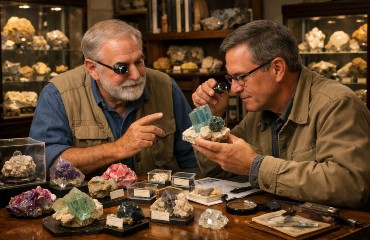
Working with reputable dealers can save you money in the long run. Experienced dealers provide accurate descriptions, fair pricing, and often offer better deals to repeat customers. They can also help guide your purchases and steer you away from overpriced material.
Trust is important in this hobby. A good dealer values long-term relationships over short-term profit, which ultimately benefits you as a collector.
Don’t Be Afraid to Negotiate
Negotiation is common in the mineral world, particularly at shows or when buying directly from dealers. While not every price is flexible, there is often room for discussion - especially if you are purchasing multiple items.
Approach negotiation respectfully and realistically. A modest discount is far more likely than a dramatic price reduction, but even small savings add up over time.
Avoid overbidding at Auctions
It's very easy to get carried away in the heat of bidding at an auction. Set a firm limit beforehand and stick to it to prevent paying more than a specimen is truly worth.
Be wary of Provenance Claims
Verify documentation and history carefully, as not all claimed origins or previous collections add real value.
Buy What You Like - But Stay Sensible
Ultimately, collecting is about enjoyment. If a specimen truly appeals to you, it may be worth paying a little more. However, it’s important to separate emotional impulse from informed decision-making.
Take your time, do your research, and trust your judgement. By combining knowledge with patience, you can build a collection of outstanding mineral specimens - without overpaying.