
Mexico is one of the world’s most prolific sources of fine mineral specimens, its rugged mountains, volcanic belts, and ancient limestones creating ideal conditions for rich deposits of silver, lead, zinc, and copper. From the colonial silver mines of Guanajuato to the modern copper workings of Sonora, centuries of mining have yielded minerals of exceptional colour and form – adamite, wulfenite, danburite, and azurite among others.
A major feature of Mexico’s geology is a long belt of Cretaceous limestone that has been repeatedly intruded by hydrothermal activity. Hot mineral-rich fluids dissolved parts of the limestone, leaving behind veins and cavities filled with primary sulfide minerals. These replacement deposits form a chain about 2,200 kilometres long, stretching from Hidalgo State in central Mexico northward to Chihuahua on the U.S. border and continuing into the United States. The most common ores in this belt are sulfides of copper, zinc, lead, and tin. However, the most valuable deposits were those containing silver – one of the main reasons for Mexico's conquest and colonisation by Spain. Between the mid-1500s and the end of the colonial period in the 19th century, Mexico is estimated to have produced around 50,000 tonnes of pure silver.
From a mineralogical perspective, over time, weathering and oxidation transformed these primary hydrothermal deposits. The open cavities provided ideal conditions for the genesis and growth of spectacular secondary minerals. These include outstanding crystals of gypsum, wulfenite, aurichalcite, linarite, and many others – often among the finest in the world. As a result, this mineral belt hosts many of Mexico’s most famous specimen-producing mines, such as Ojuela, Naica, Los Lamentos, Congresso and Charcas.
The following list of localities represents some of the best-known and most significant sources of mineral specimens in Mexico, each with its own particular geology, history, and mineral treasures.
For a Map of Mineral Locations in Mexico, click HERE.
|
Naica Mine, Naica, Saucillo Municipality, Chihuahua
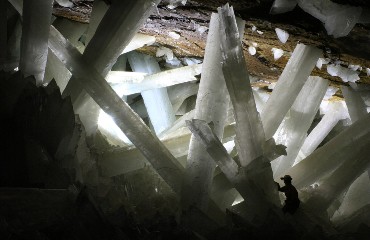
Cave of Crystals - Image Credit: Alexander Van Driessche, Public Domain Naica is one of Mexico's most famous mineral localities, celebrated worldwide for the discovery of the 'Cave of the Crystals' in 2000 – a vast cavern lined with enormous crystals of gypsum, many up to 12 m long. Mining began here in the 18th century for lead and zinc. Geologically, Naica is a hydrothermal deposit formed when hot, metal-rich fluids moved through fractures in the limestone. These solutions created rich ore bodies and these remarkable gypsum crystals, formed over thousands of years in the humid environment within the limestone. Notable minerals from Naica include galena, sphalerite, calcite, and fluorite, many displaying exceptional clarity and form. |
|
Santa Eulalia Mining District, Aquiles Serdán Municipality, Chihuahua
Smithsonite - Image Credit: Robert M. Lavinsky, CC-BY-SA-3.0 Discovered in the early 1700s, Santa Eulalia became one of Mexico’s great silver-producing districts and helped establish the State of Chihuahua as a major mining centre during the colonial period. The city of Chihuahua itself, the state capital, was built by Spanish pioneers on the riches emanating from Santa Eulalia over the first 200 years of mining. The deposits, once again, occur in Cretaceous limestones intruded by mineral-rich solutions associated with intrusive igneous activity. These processes yielded a diverse range of lead, zinc, and silver minerals. The district is especially prized by collectors for its smithsonite, hemimorphite, cerussite, and wulfenite, often in striking colour combinations. The long mining history of Santa Eulalia has left a rich legacy of specimens now preserved in museums and private collections worldwide. |
|
Ojuela Mine, Mapimí, Mapimí Municipality, Durango
Mimetite and Wulfenite - Image Credit: Robert M. Lavinsky, CC-BY-SA-3.0 The Ojuela Mine near the part-abandoned town of Mapimí dates back to the 1590s and is one of Mexico’s oldest and most historic mining localities. The mine developed in dolomitic limestone above a polymetallic sulfide body, and over the centuries oxidation created a spectacular variety of secondary minerals. Ojuela is best known for producing adamite, legrandite, rosasite, aurichalcite, and wulfenite, often in vivid green, yellow, and orange hues. The picturesque wooden suspension bridge leading to the mine has become an icon for mining historians and mineral collectors, symbolising both the mine's aesthetic setting and its long history of production. |
|
Milpillas Mine, Santa Cruz Municipality, Sonora
Azurite and Malachite - Image Credit: Robert M. Lavinsky, CC-BY-SA-3.0 Discovered only in 2004, the Milpillas Mine in Sonora quickly achieved legendary status among collectors. It is a modern underground copper mine exploiting a supergene-enriched zone of a porphyry copper system. The oxidation zone yielded some of the most beautiful azurite crystals ever found, rivalling those from Bisbee or Tsumeb. Alongside azurite, brilliant malachite, brochantite, cuprite, and chrysocolla have been recovered. Though mining continues for ore, access to specimen pockets has diminished, and Milpillas specimens are now highly sought for their intense colour and pristine form. |
|
Charcas, Charcas Municipality, San Luis Potosí
Calcite and Danburite - Image Credit: Robert M. Lavinsky, CC-BY-SA-3.0 Mining at Charcas began in the 16th century and continues to this day, making it one of the longest continuously worked mineral districts in Mexico. The deposits were formed as skarns – contact zones where intrusive magma reacted with limestone to form high-temperature minerals. The mine is famed for its transparent danburite crystals, often gem quality and water-clear, as well as nifontovite, a rare borate, which occurs as elongated transparent crystals. Other minerals include sphalerite, datolite, galena, pyrite, stibnite, and quartz. The locality remains an active source of fine minerals for museums and collectors worldwide. |
|
Los Lamentos, Ahumada Municipality, Chihuahua
Wulfenite - Image Credit: Didier Descouens, CC BY-SA 4.0 The Los Lamentos deposit was discovered in the late 19th century and became world-renowned for its bright orange wulfenite crystals that defined the standard for the species. The deposit formed where hydrothermal solutions penetrated limestone, depositing lead and vanadium minerals in oxidised zones. The mine’s wulfenite crystals – often tabular and gemlike – remain among the most beautiful in the world. Associated, highly colourful minerals such as mimetite, cerussite, and vanadinite also occur widely, making Los Lamentos one of the classic lead-vanadate localities of Mexico. |
|
Cabrestante Mine, Concepción del Oro Municipality, Zacatecas
Azurite and Malachite - Image Credit: Robert M. Lavinsky, CC-BY-SA-3.0 The Concepción del Oro Municipality in Zacatecas lies within Mexico's historic Silver-Copper Belt and is known for its hydrothermal deposits of primary chalcopyrite ores, as well as pyrite, sphalerite, and galena. The weathered zones contain many secondary copper minerals, including brochantite and azurite. Around 15 mines worked in the area, mainly focused on copper. Though smaller than nearby operations, Cebrestante Mine is renowned for its world-class specimens of the iron arsenate, scorodite, equalled only by Tsumeb. Discovered in the mid-20th century, these beautifully crystallised specimens are highly prized by collectors. |
|
Amelia Mine, Boleo District, Baja California Sur
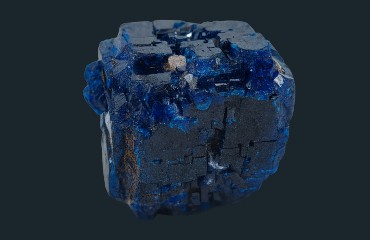
Boleite - Image Credit: Robert M. Lavinsky, CC-BY-SA-3.0 Located near Santa Rosalía on the Gulf of California, the Boleo District was developed by French mining engineers in the late 19th century to extract its unusual copper–cobalt–zinc ores. The deposits occur in marine sediments where hydrothermal fluids precipitated copper minerals in sandstones and shales. Though large-scale mining has declined, the area remains a classic location for colourful secondary minerals such as brochantite, pyromorphite, atacamite, and smithsonite. The mines in the area are also the type location for boleite, cumengeite, and pseudoboleite. The delicate, cubic, deep blue specimens of boleite are highly prized by collectors worldwide. |
|
San Juan de Rayas Mine, Guanajuato Mining District, Guanajuato
Polybasite and Calcite - Image Credit: Rock Currier, CC BY 3.0 Founded in the mid-1500s, Guanajuato in central Mexico became one of the world’s richest silver districts, generating vast wealth for Spain during the colonial period. Its veins, hosted in the volcanic rocks of the Sierra Madre Occidental, were formed by low-temperature hydrothermal fluids depositing silver, gold, and other metals within three main systems – the Veta Madre, La Luz, and Sierra veins. Classic minerals include acanthite, pyrargyrite, stephanite, and native silver with calcite and quartz. The polybasite specimens from the San Juan de Rayas Mine are exceptional and are some of the best crystals in the world. Guanajuato’s mines helped shape Mexico’s mining and economic history and remain benchmarks for fine silver specimens. |
|
Congreso Mine, San Pedro Corralitos, Casas Grandes Municipality, Chihuahua
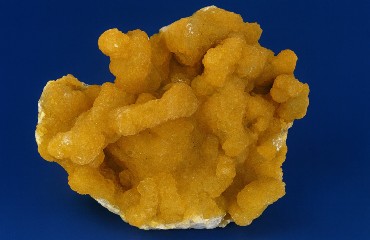
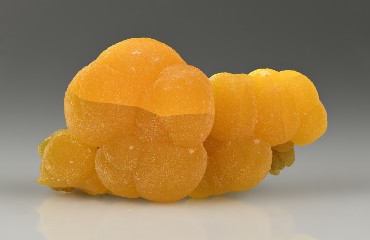
Mimetite - Image Credit: Ivar Leidus, CC BY-SA 4.0 The Congreso Mine has been worked intermittently since the early 1900s and is noted for its brilliant golden-orange mimetite specimens, forming both crystals and spherical botryoidal masses. The deposit formed through high-temperature hydrothermal replacement in Cretaceous limestones, yielding lead–zinc–silver ores alongside other collectible minerals such as galena, sphalerite, pyrite, anglesite, and barite. The mine’s aesthetic specimens and variety of associations make it one of Mexico’s most famous classic localities. |
|
Mina Navidad, Indé Municipality, Durango
Fluorite - Image Credit: Robert M. Lavinsky, CC-BY-SA-3.0 The Navidad deposit is a brecciated fluorite vein mined intermittently for many years, producing massive and crystalline material. Its vuggy zones yield plates of intergrown octahedral fluorite crystals, often coated with quartz or chalcedony. Acid cleaning leaves a pale, pitted matrix, while the naturally dark purple fluorite fades to soft pink after sunlight exposure. The mine is also famous for its striking creedite, forming free-standing crystals from colourless to orange, brown, or black, sometimes with violet hues or fluorite inclusions, and occasionally overgrowing sparkling gearksutite. |




Mexico’s mineral localities stand among the finest on earth, combining geological diversity, vibrant colour, and centuries of mining heritage. From the ancient silver veins of Guanajuato to the modern copper mines of Sonora, each region reveals a different chapter in the country’s geological story. The beauty and scientific value of these specimens continue to inspire collectors, miners, and researchers alike. As many classic mines close or become less accessible, Mexico’s mineral treasures remain enduring symbols of its rich natural and cultural legacy.